Agenda Management
Compliant agendas that write themselves, missing none of the context.
Goodbye 300-page PDFs and task trackers galore.
Common Sense runs the entire council meeting preparation process — from the moment staff submit an item to the vote that decides it — and connects every decision back to your city's goals. Your clerk stops chasing paperwork and department heads. Your city executives walk in prepared. Residents get an agenda they can actually read.
Schedule a Demo“This is saving staff days each council cycle.”
What Changes for Your City
Packets done in hours, not nights and weekends
Staff upload their documents; the system writes a plain-language summary of each item, builds the packet, and flags anything missing before the deadline. Your clerk's office reviews finished work instead of chasing it down.
Every item shows how it moves your goals
The system links each agenda item to the council's goals, so council and residents can see how one vote fits the bigger picture. Staff can override any match.
An agenda residents can actually read
Instead of a 487-page PDF nobody opens, the public gets a clear, searchable agenda that explains what each item is, why it's on the agenda, and how it was decided. Find votes and the history of a topic instantly.
How it works
From an Item to a Decision — Handled
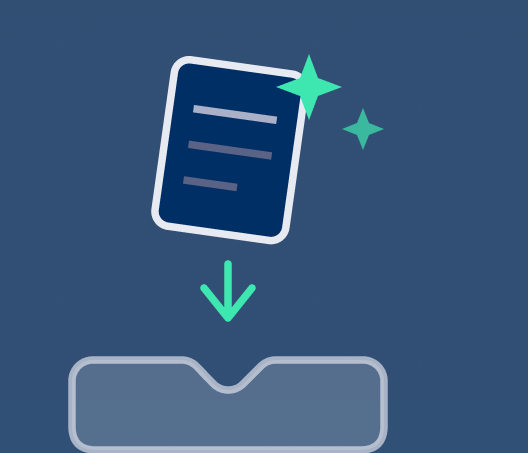
Submitting an item
A department uploads its documents and a few basic details. The system writes a standardized, plain-language summary, suggests which council goal the item supports, sends it to the right board, and reminds staff of deadlines or missing pieces before the agenda closes.
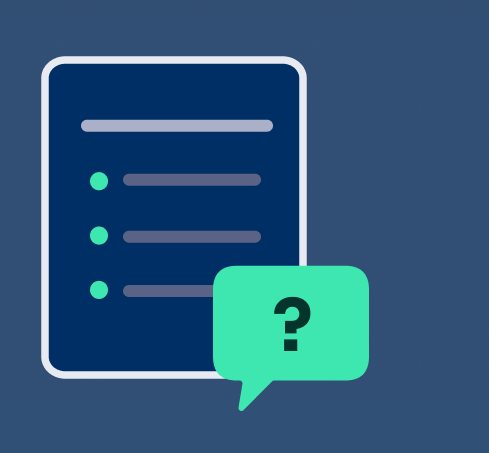
The agenda everyone reads
Every item gets a clear summary of what it is and why it's on the agenda — and anyone can ask a follow-up question, answered from the supporting documents and years of council history. Staff and council see sensitive material; the public sees the public view. The official PDF stays the legal record; this is the version people actually read.
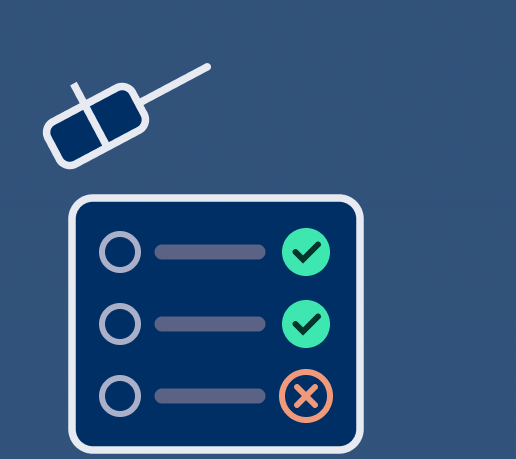
After the meeting
The system captures every motion — who moved it, who seconded, how each member voted — and drafts a plain summary of what was discussed and decided. Once the clerk approves, it publishes, and voting histories become searchable ("show every item this member voted no on").
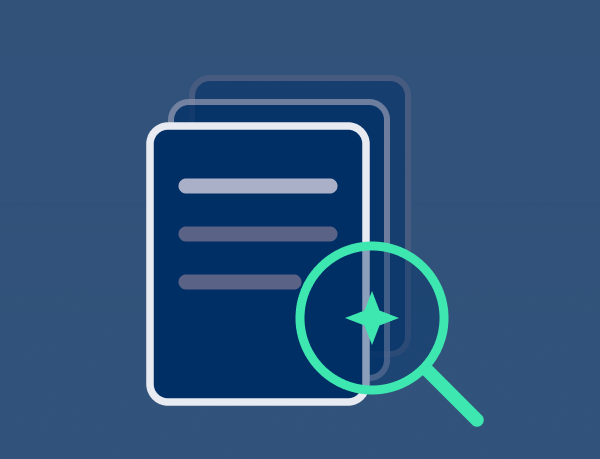
A memory of everything
Years of packets, minutes, and transcripts become one record you can ask in plain English ("what has council done on stormwater this year?"). Long-running projects show a full timeline across every meeting they've touched, and a dashboard tracks progress on each council goal over time.
One workflow, start to finish
Built with government, for government
Co-built with the City of Peachtree Corners, Georgia and Starbase, Texas
We're building this hand-in-hand with the clerk's office, council, and community of Peachtree Corners and Starbase, Texas — designing every step around how real cities actually run their meetings, not how a software company imagines it.


Build to be trusted
You stay in control
You decide what's automatic
AI prepares the work; your team makes every final call. Nothing publishes until the clerk approves it.
The PDF stays the legal record
The interactive agenda and AI summaries sit on top of your official packet — they never replace it.
Every answer shows its work
Goal matches, summaries, and classifications come with their reasoning, their source documents, and a confidence level staff can override.
Your data stays yours
Zero-data-retention agreements with every major AI provider (your documents are never used for training), role-based access so only the right people see non-public materials, bank-level encryption, and a complete audit trail ready for open-meeting compliance.